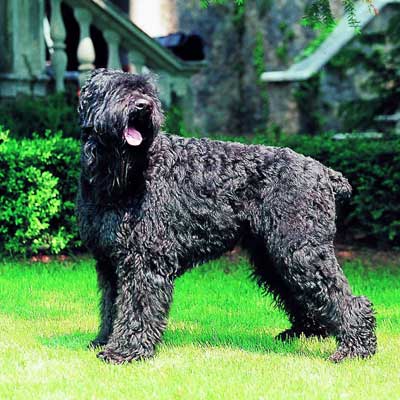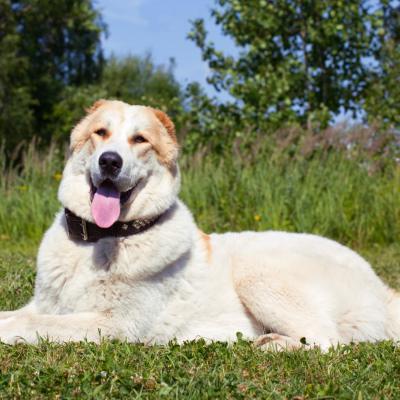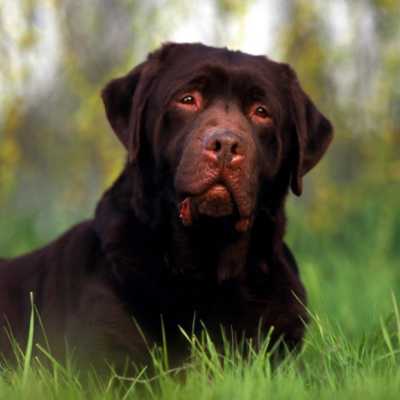
Broholmer

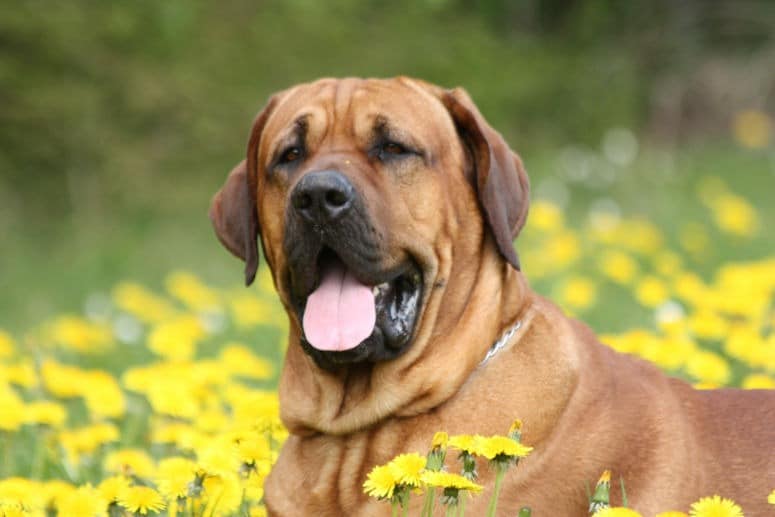
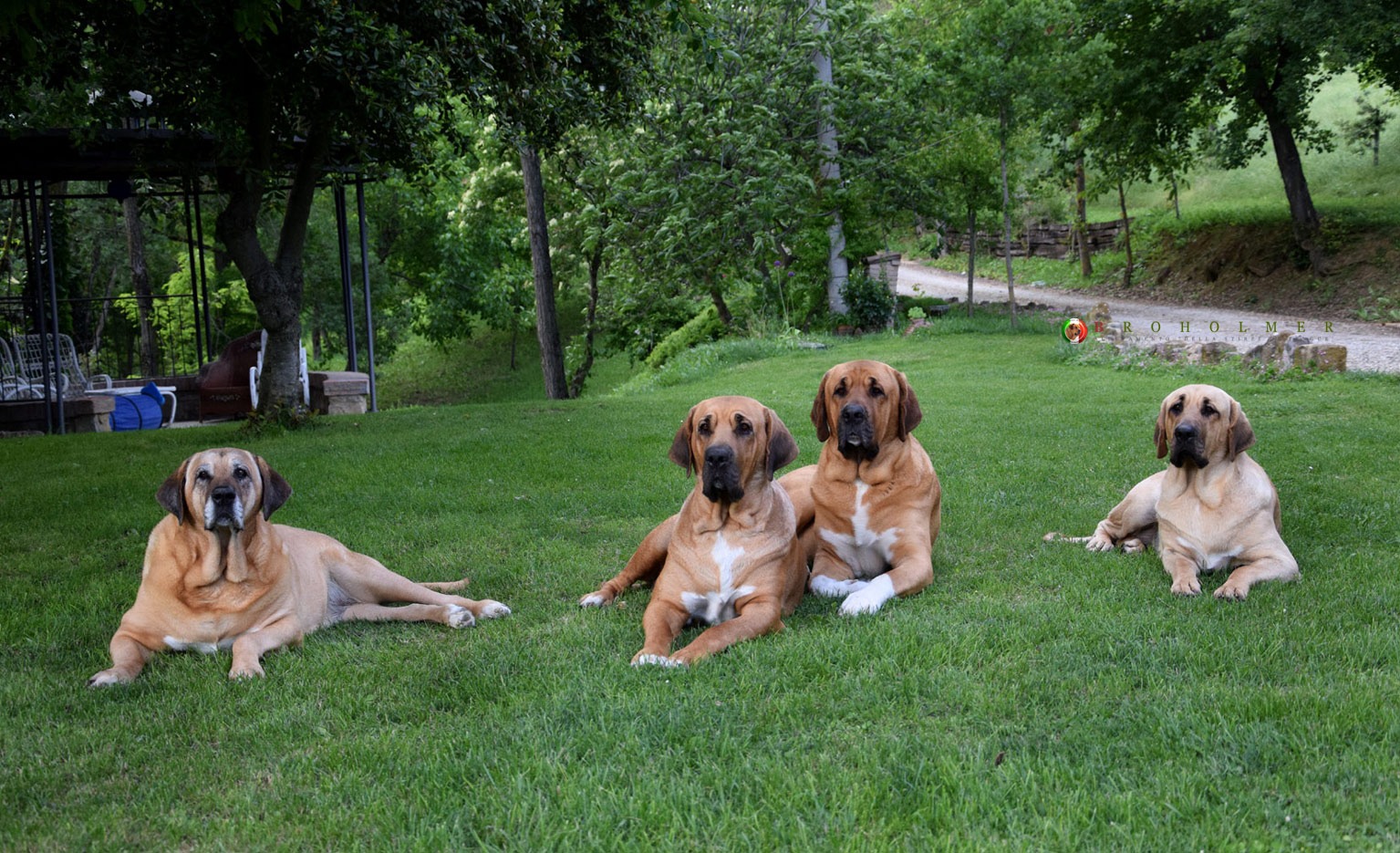
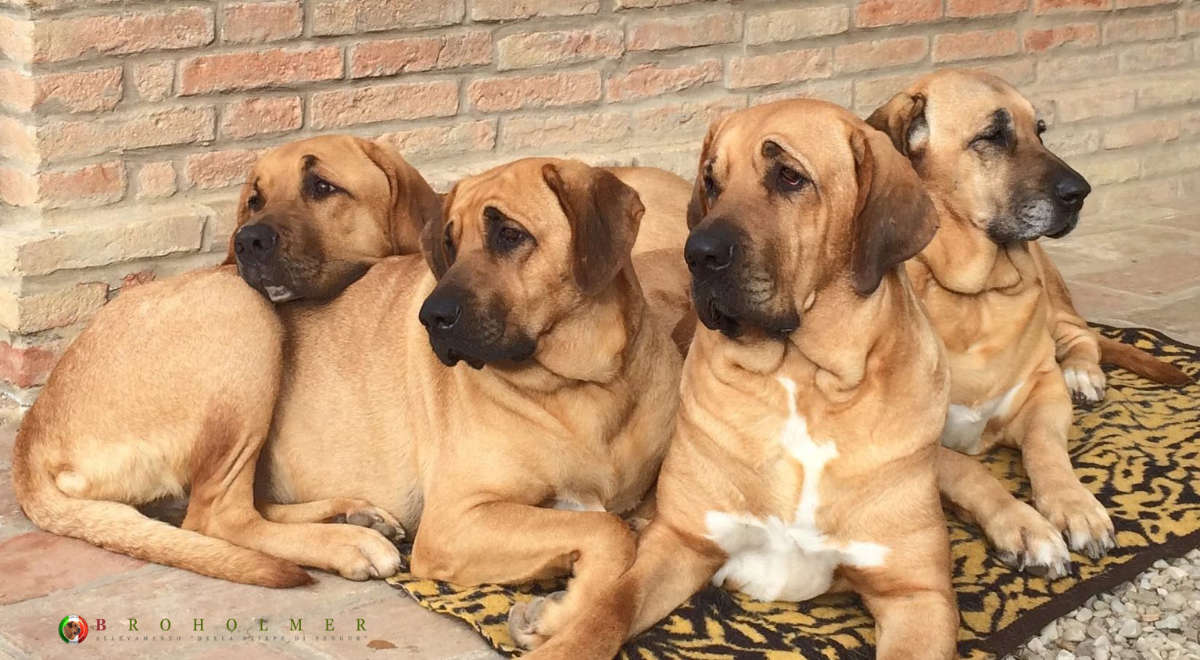
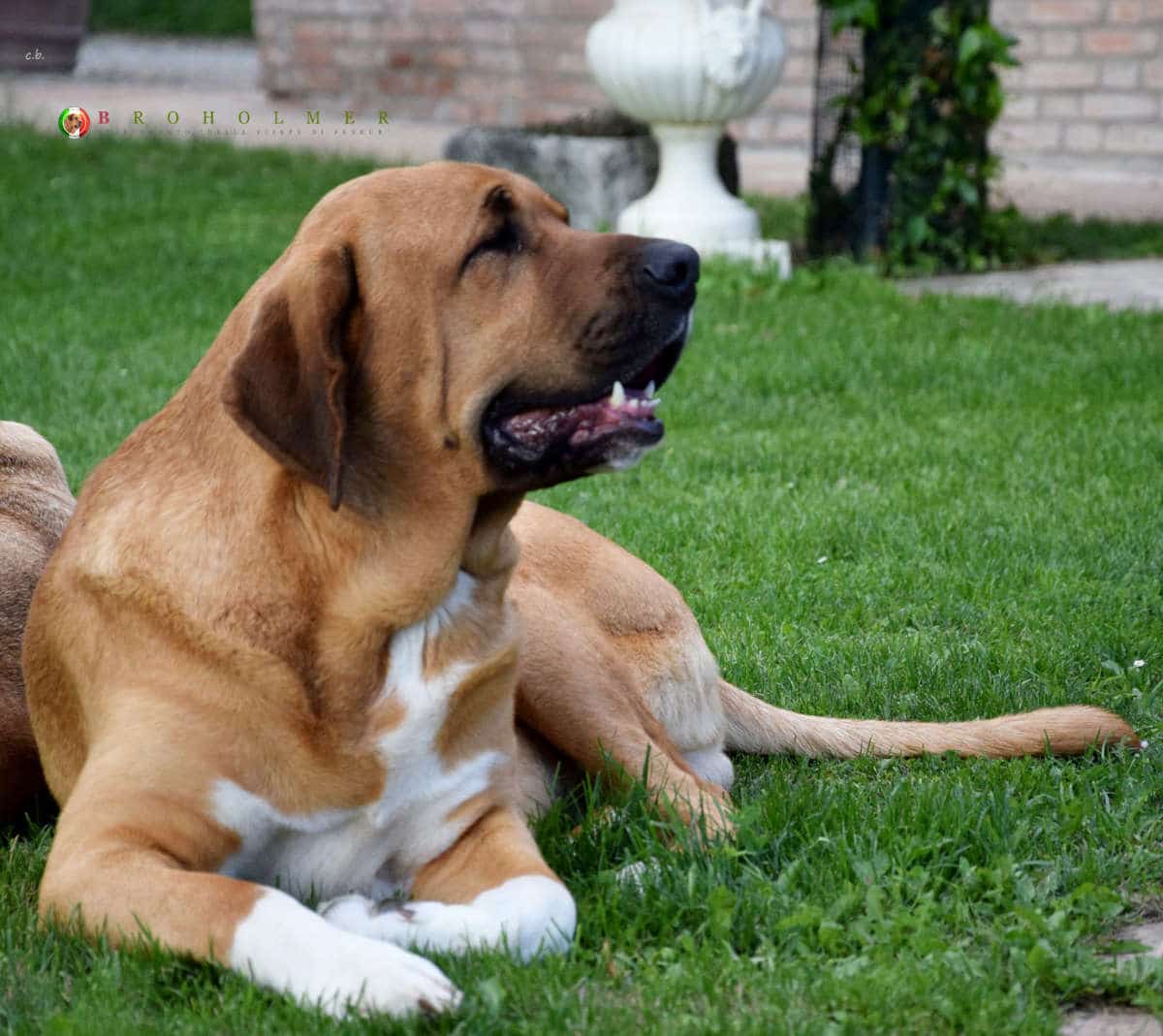
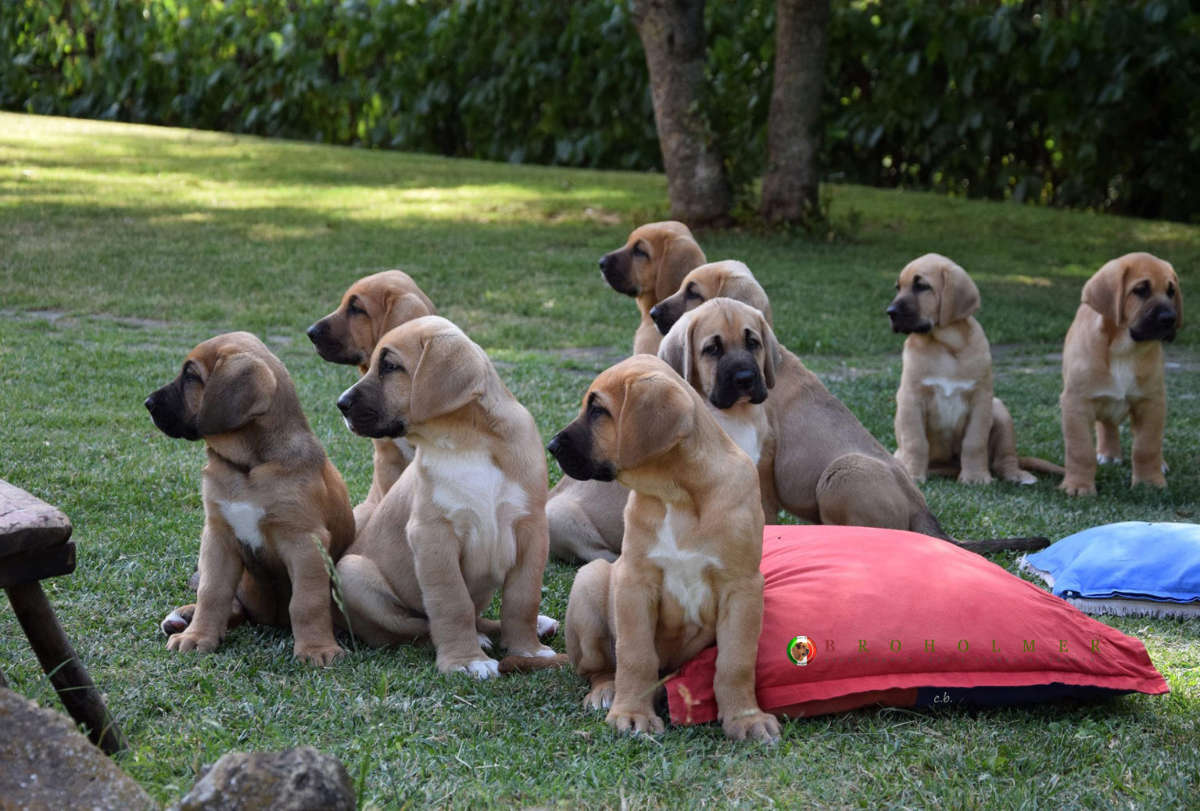
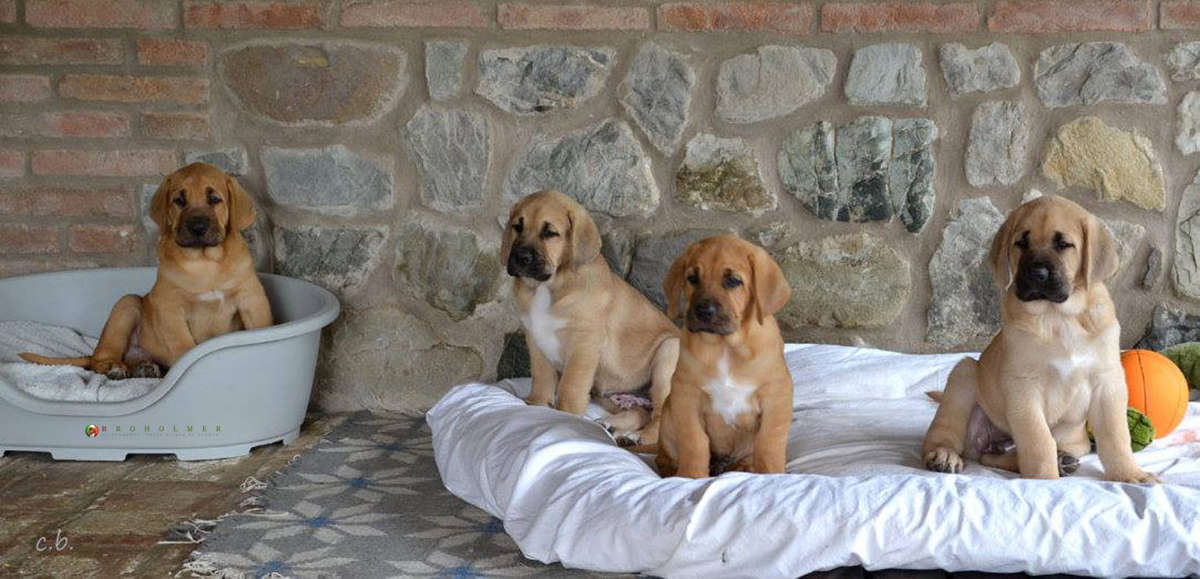
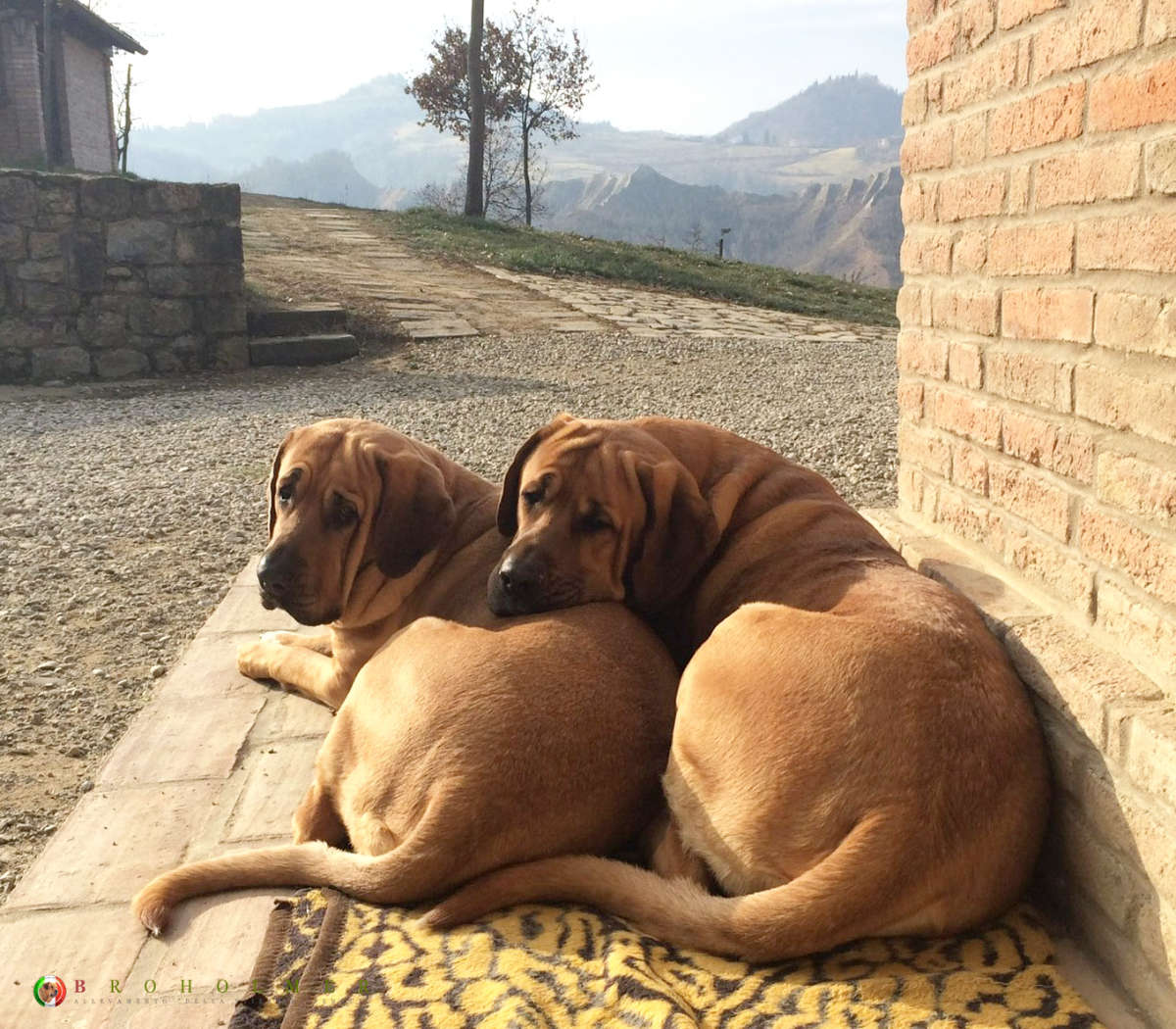
Quite observer of what happens around him, Broholmer is a real family dog

  • Carattere
    80%
  • Energie a disposizione
    70%
  • Cura del pelo
    25%
  • Rapporto con i bambini
    60%
  • Problemi con altri animali
    20%

GRUPPO ENCI

Group 2

TAGLIA

Large

ASPETTATIVA DI VITA

10-12 years

As a type this breed has been known since the Middle Ages, when it was used for hunting (staghunting).Later on it was used mainly as guard dog for large farms and manors. At the end of the 18th century these dogs were purebred and increased in number thanks to the Count Sehested of Broholm, from whom the breed has inherited its name.After the Second World War the breed became almost extinct, but around 1975 a group of committed people - later organized as « The Society for Reconstruction of the Broholmer Breed » - supported by the Danish Kennel Club, began the work of reviving the breed.
Calm, good tempered, friendly, yet watchful. Must show great self-confidence

Important proportions

Skull and muzzle are of equal length.

Behaviour and temperament

Calm, good tempered, friendly, yet watchful. Must show great self-confidence
  • Head

  • Head - cranial region

  • Head - facial region

  • Neck

  • Body

  • Tail

  • Forequarters

  • Hindquarters

  • Gait / Movement

  • Skin

  • Coat - hair

  • Coat - colour

  • Size

  • Faults

  • Disqualifying faults

Broholmer

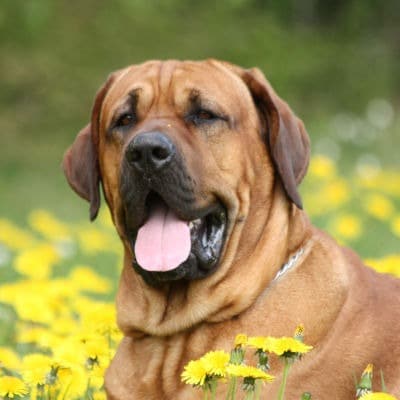
Osservatore calmo di quel che gli accade intorno, il Broholmer è un vero cane da famiglia
  • Carattere
    80%
  • Energie a disposizione
    70%
  • Cura del pelo
    25%
  • Rapporto con i bambini
    60%
  • Problemi con altri animali
    20%

GRUPPO ENCI

Gruppo 2

TAGLIA

Grande

ASPETTATIVA DI VITA

10-12 anni

Il tipo del Broholmer è conosciuto fin dal Medio Evo; a quell’epoca questo cane era impiegato per la caccia al cervo. Più tardi, servì soprattutto come cane da guardia per grandi proprietà e manieri. Verso la fine del 18° secolo, questi cani furono allevati come pura razza, e il loro numero aumentò grazie al Conte di Sehested de Bhoholm, il cui nome fu poi dato alla razza.Dopo la seconda guerra mondiale, la razza si era quasi estinta, ma verso il 1975, un gruppo di devoti amatori, organizzati più tardi nella "Società per la ricostruzione del Broholmer", associazione sostenuta dal Kennel Club danese, si mise al lavoro per farla rivivere.
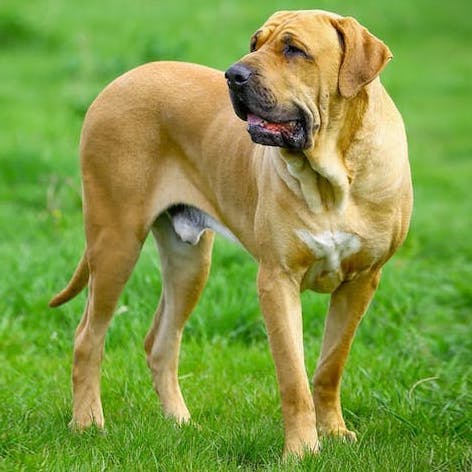
Cane di grande taglia, di tipo mastino, inscrivibile in un rettangolo e di forte costruzione; andatura regolare ed energica.Il suo aspetto esteriore è dominato da un anteriore potente. La testa è massiccia e larga; il collo è forte e presenta un po’ di pelle lassa; il torace è largo e ben disceso. A riposo, la testa è portata abbastanza bassa, inclinata verso il suolo, e la coda ricade a forma di sciabola.Quando il cane è in azione, la coda è sollevata più in alto, ma non sul dorso. Se il cane è attento o eccitato, la testa è portata più alta e la coda si rialza al di sopra dell’orizzontale

Proporzioni importanti

Il cranio e il muso hanno la stessa lunghezza

Comportamento e carattere

Calmo, di carattere equilibrato, amichevole ma vigile. Deve essere sicuro di sestesso.
  • Testa

  • Testa - regione del cranio

  • Testa - regione del muso

  • Collo

  • Corpo

  • Coda

  • Arti anteriori

  • Arti posteriori

  • Andatura

  • Pelle

  • Mantello - pelo

  • Mantello - colore

  • Taglia e peso

  • Difetti

  • Difetti eliminatori

L'INTERVISTA

Nessuna intervista trovata

I SERVIZI

Nessun servizio trovato

La razza

CANI DELLO STESSO GRUPPO

  • Affenpinscher
  • Broholmer
  • Leonberger
  • Pyrenean Mountain Dog
  • Fila Brasileiro

Utenti che hanno questa razza

Nessun utente trovato