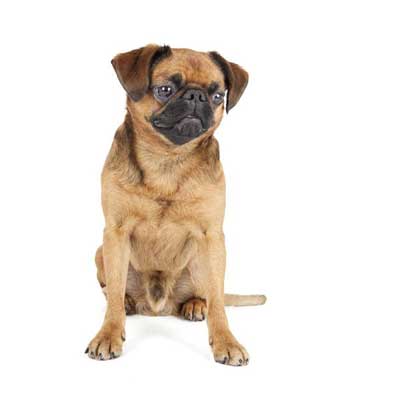
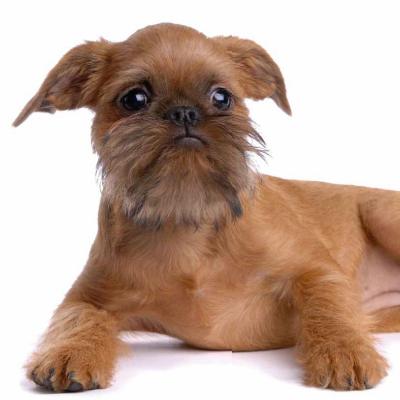
-
Testa
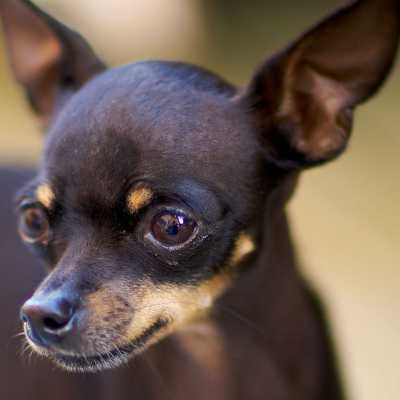
piccola rispetto al corpo
-
Testa - regione del cranio
Cranio: alto ma non troppo ampio (l’ampiezza a livello delle arcate zigomatiche non deve superare la profondità del cranio)
Stop: chiaramente pronunciato
-
Testa - regione del muso
Tartufo: piccolo, nero o in armonia col colore del mantello
Muso: asciutto e appuntito, leggermente più corto del cranio
Labbra: sottili, asciutte, strettamente aderenti e scure o in armonia col colore del mantello
Mascelle/Denti: piccoli, bianchi. Chiusura a forbice. Mancanza di 2 incisivi permessa in ciascuna mascella.
Guance: solo leggermente pronunciate
Occhi: ben grandi, rotondi, scuri, leggermente sporgenti, ben distanziati e con lo sguardo diritto in avanti. Le palpebre sono scure o in armonia col colore del mantello, ben aderenti.
Orecchi: grandi, sottili, attaccati alti, eretti.
-
Collo
lungo, sottile, portato alto, leggermente arcuato
-
Corpo
Linea superiore: gradualmente discendente dal garrese alla radice della coda
Garrese: leggermente pronunciato
Dorso: forte e diritto
Rene: corto e leggermente arcuato
Groppa: la groppa è alquanto arrotondata e leggermente discendente
Torace: il torace è ovale, sufficientemente alto e non troppo ampio
Linea inferiore e ventre: ventre e fianchi rilevati, in modo da formare una curva elegante dal torace ai fianchi.
-
Coda
Tagliata (vengono lasciate soltanto due o tre vertebre), portata alta.
Nei Paesi dove il taglio della coda è proibito dalla legge, la coda viene lasciata al suo stato naturale.
Integra: a falce. Non dovrebbe essere portata più bassa del livello del dorso.
-
Arti anteriori
sottili e asciutti; visti dal davanti, gli arti anteriori sono diritti e paralleli
Spalle: le scapole sono moderatamente lunghe e non troppo inclinate
Braccio: forma un angolo di 105 gradi con la scapola. La lunghezza del braccio è quasi uguale alla lunghezza della spalla
Gomiti: aderenti al corpo.
Avambraccio: lungo, diritto
Carpo (polso): asciutto
Metacarpo (pastorale): quasi verticale
Piedi anteriori: piccoli, ovali, non deviati in dentro né in fuori. Dita bene unite e arcuate. Le unghie e i cuscinetti elastici sono neri o in armonia col colore del mantello.
-
Arti posteriori
visti dal dietro, gli arti posteriori sono diritti e paralleli, ma quando il cane è in stazione, sono un po’ più distanziati degli arti anteriori. Ginocchia e garretti sono sufficientemente angolati.
Coscia: la muscolatura è sottile e sviluppata
Gamba: coscia e gamba hanno la stessa lunghezza
Garretto: sufficientemente angolato
Metatarso (pastorale posteriore): verticale
Piedi posteriori: arcuati, un pochino più stretti dei piedi anteriori. Unghie e cuscinetti sono neri o in armonia col colore del mantello.
-
Andatura - movimento
sciolto, diritto, veloce. Quando il cane si muove, non si devono notare spostamenti alla linea dorsale.
-
Pelle
sottile, asciutta e strettamente aderente
-
Mantello - pelo
nella razza esistono due varietà: pelo liscio e pelo lungo
- Pelo liscio: pelo corto, aderente e lucente, senza sottopelo o zone prive di pelo.
- Pelo lungo: il corpo è ricoperto di pelo moderatamente lungo ( 3 – 5 cm.) diritto o leggermente ondulato, aderente, che non nasconde il naturale profilo del corpo. Il pelo sulla testa e sulla parte anteriore degli arti è corto e aderente.
Ben definite frange sul lato posteriore degli arti.
I piedi hanno pelo lungo, serico che nasconde completamente le unghie. Gli orecchi sono ricoperti di pelo lungo che forma frangia.
I cani che superano i tre anni hanno una frangia tale che dovrebbe completamente nascondere i bordi esterni e le punte degli orecchi.
Il pelo del corpo non deve apparire scarmigliato né essere troppo corto ( meno di 2 cm.)
-
Mantello - colore
nero e fuoco, marrone e fuoco, blu e fuoco. Anche rosso di ogni tonalità con o senza carbonatura marrone Le tonalità cariche sono preferite in ogni colore.
-
Taglia e peso
Altezza al garrese maschi e femmine: 20 – 28 c. (tolleranza ± 1 cm.)
Peso maschi e femmine: fino a 3 Kg.
-
Difetti
qualsiasi deviazione da quanto sopra deve essere considerata come difetto e la severità con cui questo difetto sarà penalizzato deve essere proporzionata alla sua gravità, e agli effetti sulla salute e benessere del cane.
- Comportamento pauroso
- Chiusura a tenaglia o incisivi deviati in avanti
- Orecchi semi-eretti. Nei soggetti a pelo lungo con pesanti frange, questa posizione è permessa, ma non desiderata.
- Coda inserita bassa
- Presenza di chiazze prive di pelo nei soggetti a pelo liscio
- Pelo troppo lungo o troppo corto sul corpo nei soggetti a pelo lungo
- Piccole macchie bianche sul petto e dita
- Monocolore nero, marrone o blu. Focature troppo larghe o con ombreggiature scure.
-
Difetti eliminatori
- Cane aggressivo, eccessivamente pauroso
- Enognato, prognato in modo pronunciato. Mancanza di un canino: mancanza di più di 2 incisivi in ciascuna mascella
- Orecchi pendenti
- Gambe corte
- Molte chiazze senza pelo in soggetti a pelo liscio
- Cani a pelo lungo: mancanza di frange sugli orecchi e presenza di pelo riccio
- Pelo bianco, macchie bianche sulla testa, ventre e al di sopra dei metacarpi; grandi macchie bianche sul petto e gola, presenza di tigrature.
- Taglia superiore i 30 cm. o inferiore ai 18 cm.
- Peso inferiore a 1 Kg.